
RSO for Cancer: Dosage, 90-Day Protocol, and Real Experiences
Comprehensive guide to RSO dosage, the 90-day cancer treatment protocol, and what patients should know
Introduction
Rick Simpson Oil (RSO) has gained widespread attention in recent years as people search for alternative or complementary approaches to managing serious illnesses. Among the most discussed topics is RSO for cancer, with many individuals sharing personal experiences and testimonies about its potential benefits.
This article explores what RSO is, how it is used, common dosage approaches, and what people mean when they talk about a 90 days treatment of cancer with RSO. It also addresses an important point upfront: RSO is not a medically approved cure for cancer, and anyone considering it should consult a qualified healthcare professional.
What Is RSO?
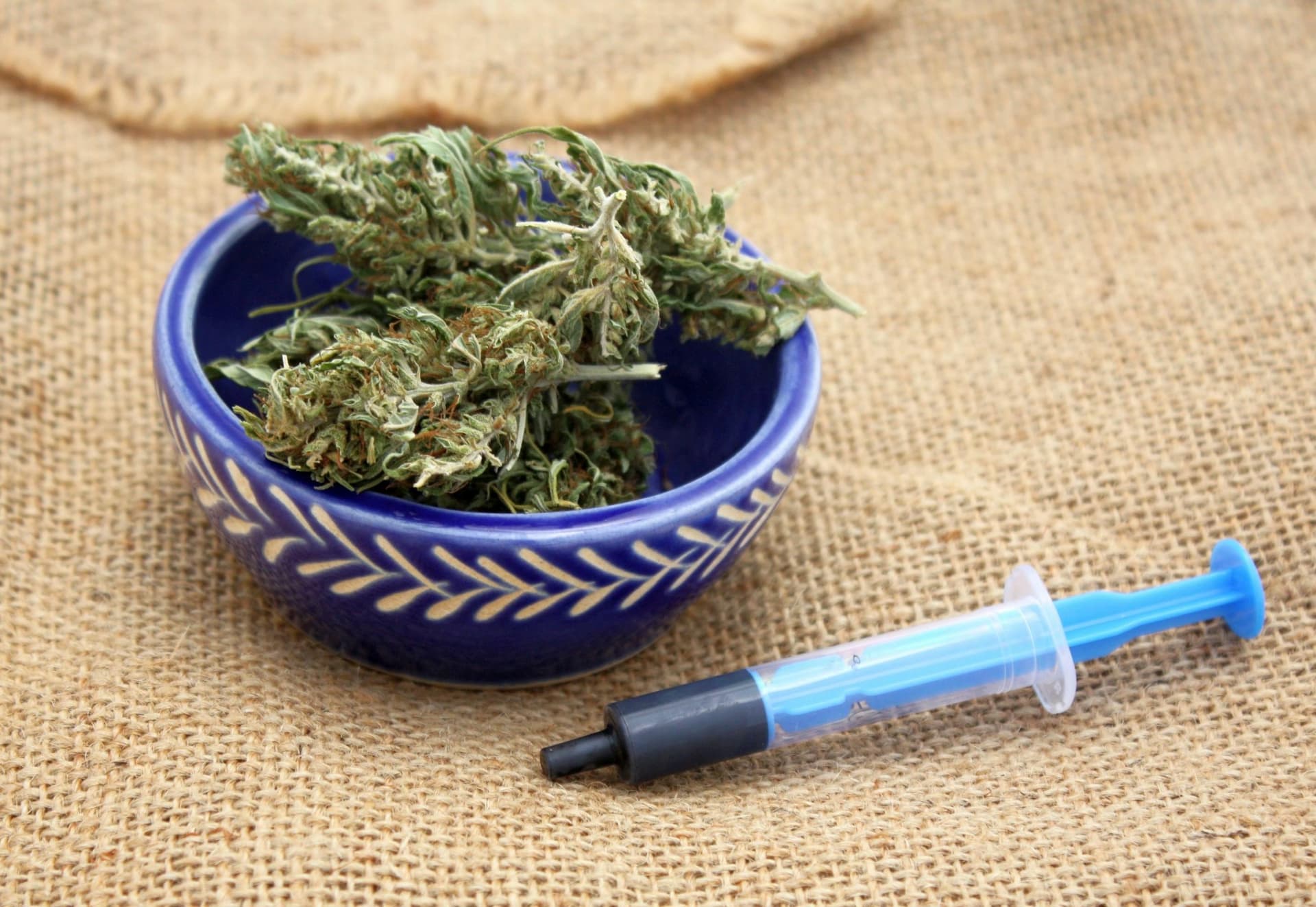
RSO, short for Rick Simpson Oil, is a highly concentrated cannabis extract made from the whole plant. Unlike many CBD products, RSO typically contains high levels of THC along with other cannabinoids, terpenes, and plant compounds.
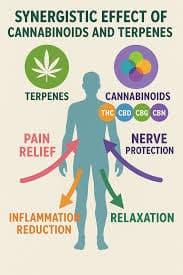
The idea behind RSO is based on the concept of the entourage effect, where multiple cannabis compounds may work together to produce stronger effects than isolated components.
Why People Use RSO for Cancer
When people search for "treat cancer with RSO" or "RSO helps cancer", they are often motivated by a combination of factors:
- •Desire for natural or alternative therapies
- •Dissatisfaction with conventional treatments
- •Interest in anecdotal success stories
- •Hope for symptom relief (pain, nausea, appetite loss)
Some laboratory and early-stage studies have explored how cannabinoids interact with cancer cells. However, these findings are not sufficient to confirm that RSO can cure cancer in humans. Still, many patients report improvements in quality of life.
90 Days Treatment of Cancer with RSO
The 90-day RSO protocol is one of the most widely discussed approaches online.
Phase 1: Week 1–2 (Adjustment Period)
- •Very small doses (rice grain size)
- •Taken morning, afternoon, and night
- •Focus on building tolerance
Phase 2: Week 3–5 (Gradual Increase)
- •Slowly increase dose every few days
- •Monitor how your body responds
- •Side effects like sleepiness are common
Phase 3: Week 6–12 (Full Dosage)
- •Reach up to 1 gram per day (split into 3 doses)
- •Maintain consistency
- •Continue for a total of 90 days
After the 90-day period, some individuals switch to a maintenance dose.
Ways to Take RSO
RSO can be consumed in several ways:
- •Orally: Placed under the tongue or swallowed
- •Capsules: Pre-measured doses for easier use
- •Food infusion: Mixed into meals or snacks
- •Topical use: Applied directly to the skin (less common for internal conditions)
Each method affects how quickly and strongly the effects are felt.
Can You Buy RSO for Your Cancer Treatment?
Many people search for "buy RSO for your cancer". Availability depends on local laws and regulations.
Before purchasing:
- •Ensure the product is lab-tested
- •Check cannabinoid content (THC/CBD levels)
- •Verify purity (free from solvents and contaminants)
- •Buy from reputable sources
Quality matters significantly, especially for something as potent as RSO.
Does RSO Help Cancer? What People Say
The phrase "RSO helps cancer and lots of testimonies" reflects the large number of personal stories online. These testimonies often include:
- •Tumor shrinkage claims
- •Pain reduction
- •Improved sleep and appetite
- •Better tolerance of chemotherapy
Important Note on Testimonials
While these stories can be powerful and inspiring, they are not scientific evidence. Every case is different, and outcomes vary widely.
Potential Benefits of RSO for Cancer Patients
Even though RSO is not a proven cure, some users report benefits such as:
1. Pain Relief
Cannabinoids may help reduce chronic pain associated with cancer.
2. Improved Appetite
RSO may stimulate appetite, which is crucial for patients undergoing treatment.
3. Better Sleep
Many users report deeper, more restful sleep.
4. Reduced Nausea
Cannabis-based products are sometimes used to help with chemotherapy-induced nausea.
RSO for Cancer Treatment Dosage
One of the most searched topics is "RSO cancer treatment dosage."While there is no officially approved dosage, a commonly discussed approach is based on Rick Simpson's original protocol.
General Guideline
- •Start with a very small dose (about the size of a grain of rice)
- •Take it 3 times per day
- •Gradually increase the dosage over time
- •Aim to consume approximately 60 grams over 90 days
Why Start Low?
RSO is potent, especially due to its THC content. Starting with a small dose helps:
- •Reduce unwanted side effects (e.g., dizziness, fatigue)
- •Allow the body to build tolerance
- •Improve overall comfort during treatment
Risks and Side Effects
RSO is not without risks, especially due to its high THC content.
Common side effects include:
- •Drowsiness
- •Dizziness
- •Dry mouth
- •Anxiety (in high doses)
- •Impaired coordination
High doses can be overwhelming, which is why gradual titration is essential.
Combining RSO with Conventional Treatment
Some individuals choose to use RSO alongside traditional cancer treatments such as:
- •Chemotherapy
- •Radiation
- •Surgery
If considering this approach:
- •Always inform your doctor
- •Monitor for interactions
- •Avoid replacing prescribed treatments without medical advice
The Science Behind RSO and Cancer
Research into cannabinoids and cancer is ongoing. Some lab studies suggest cannabinoids may:
- •Influence cancer cell growth
- •Promote cell death (apoptosis) in certain conditions
- •Affect inflammation pathways
However, these findings are primarily from cell and animal studies, not large-scale human trials.
Setting Realistic Expectations
It's important to approach RSO with balanced expectations:
- •It may help with symptoms and quality of life
- •It is not a guaranteed cure
- •Results vary from person to person
Hope is important, but so is informed decision-making.
Tips for Starting RSO Safely
If you're considering RSO:
- •Start with a very low dose
- •Increase gradually
- •Keep a dosage journal
- •Stay hydrated
- •Avoid driving or operating machinery
- •Consult a healthcare provider
Frequently Asked Questions
How long does it take for RSO to work?
Effects can be felt within hours when taken orally, but long-term outcomes (if any) may take weeks or months.
Can RSO cure cancer?
There is no scientific proof that RSO cures cancer. It should not replace medical treatment.
Is THC necessary?
Some believe THC plays a key role, but research is still inconclusive.
Final Thoughts
The growing interest in RSO for cancer, RSO cancer treatment dosage, and the 90 days treatment of cancer with RSO highlights the need for clear, balanced information.
While many people share powerful testimonies claiming that RSO helps cancer, it is essential to separate personal experience from scientific evidence. RSO may offer supportive benefits such as pain relief, improved sleep, and better appetite, but it is not a proven cure.
If you are considering using RSO:
- •Do your research
- •Choose high-quality products
- •Consult with a medical professional
- •Use it as a complementary approach, not a replacement
Making informed decisions is the most important step in any health journey.
Disclaimer: This article is for informational purposes only and does not constitute medical advice. Always consult a qualified healthcare professional before starting any new treatment.