
The Ultimate Complete Guide to Rick Simpson Oil (RSO): Everything You Need to Know in 2025
Rick Simpson Oil (RSO) is a highly concentrated, full-spectrum cannabis extract that has captured widespread attention for its potency and potential therapeutic applications. This comprehensive guide covers everything from its origins to the complete 90-day treatment protocol, dosing, storage, pricing, and FAQs.
Rick Simpson Oil (RSO) is a highly concentrated, full-spectrum cannabis extract that has captured widespread attention for its potency and potential therapeutic applications. Named after its creator, Canadian activist Rick Simpson, RSO is often described as a thick, tar-like substance rich in cannabinoids, primarily THC, along with CBD, terpenes, flavonoids, and other plant compounds.
Unlike milder cannabis products such as tinctures or standard edibles, RSO delivers a powerful, full-extract experience that retains the plant's natural profile for what many describe as an "entourage effect," where compounds work synergistically to enhance benefits. What makes this extract special is the way it is produced—it allows the bulk of the cannabis plant's cannabinoids and terpenes to be preserved. Studies have shown that the more parts of the plant being used together, the better medicinal relief is experienced by patients.
Important Disclaimer
While anecdotal reports and emerging research highlight potential benefits, RSO is not FDA-approved, and scientific evidence for many claims remains limited. Always consult a healthcare professional, especially if you have health issues or take medications, as THC can cause interactions. Any claim on this page has not been reviewed by the FDA. Product is not intended to diagnose, cure, or prevent any disease or illness.
History and Background of Rick Simpson Oil
Work Injury
Simpson suffers a workplace accident in an asbestos-filled hospital boiler room leading to chronic headaches, tinnitus, and uncontrolled pain
Cancer Discovery
Diagnosed with basal cell carcinoma; develops RSO extraction method after finding cannabis study from Journal of National Cancer Institute
Goes Global
Flees legal challenges in Canada to Europe; continues advocating for RSO worldwide through phoenixtears.ca
The story of RSO begins with Rick Simpson, a former engineer from Nova Scotia, Canada who suffered a work-related injury. Simpson was working in a poorly ventilated asbestos-filled hospital boiler room where he collapsed and was rendered unconscious. He received immediate care; however, his long-term symptoms from his injury were not dissipating. After years of dizziness, tinnitus, and uncontrolled pain, Simpson began researching alternative treatment, and that is how he found cannabis.
He had such stunning results with cannabis that he eventually began growing his own cannabis and was able to successfully manage his symptoms with a plant he could grow in his own backyard. His initial success motivated him to dig deeper into cannabis research for other applications.
In 2003, Simpson was diagnosed with basal cell carcinoma, a form of skin cancer. He began researching intensively and ran across a study from The Journal of the National Cancer Institute in which Tetrahydrocannabinol or THC (the main psychoactive cannabinoid in marijuana) was found to kill cancer cells in mice. This motivated Simpson to formulate a method to extract his plants, leaving him with what we all know now as RSO.
His extraction efforts proved successful. The skin cancer growing on his arm was gone in less than a week. His victory inspired him to share his findings with the world. Simpson chose not to patent his methods so everyone is easily able to access the benefits of this incredible plant. He documented his formula through his website (phoenixtears.ca) and his book, Phoenix Tears: The Rick Simpson Story.
Facing legal challenges in Canada for distributing cannabis oil, Simpson fled to Europe in 2009, where he continues advocating for RSO's use in treating serious illnesses like cancer, chronic pain, and more. While his personal anecdotes have inspired thousands—leading to widespread home production and use—medical experts caution that these claims lack robust clinical trials.
What Is RSO? Composition and Key Differences
At its core, RSO is a full-spectrum extract made from indica-dominant cannabis strains, chosen for their sedative properties. It's dark, viscous, and sticky, with THC levels often ranging from 50-90%, alongside varying amounts of CBD (typically lower) and other minor cannabinoids like CBG or CBN.
What Sets RSO Apart from Other Cannabis Products?
RSO vs. CBD Oil
CBD oils are non-intoxicating, with <0.3% THC, focusing on wellness like anxiety relief and relaxation. RSO is psychoactive and THC-dominant (50-90% THC), aimed at more intense therapeutic needs. RSO is significantly more potent and requires careful dosing.
RSO vs. Distillate
Distillates are ultra-refined for nearly pure THC (up to 99%), stripping away terpenes and other plant compounds. RSO is unrefined, preserving the plant's full entourage of cannabinoids, terpenes, and flavonoids for broader therapeutic effects and the entourage effect.
RSO vs. FECO (Full Extract Cannabis Oil)
FECO is similar to RSO but often made with food-grade ethanol instead of harsher solvents like naphtha. FECO may retain more terpenes and natural flavors, and is sometimes considered a "cleaner" alternative. Both are full-spectrum extracts with similar cannabinoid profiles, but FECO is increasingly recommended by medical professionals in 2025 for its superior production methods.
Forms of RSO: Syringe, Capsules, Edibles, Suppositories, and Tinctures
RSO comes in various forms for convenience, accessibility, and targeted therapeutic use. Different formats suit different needs and preferences, allowing you to find what works best for your situation.
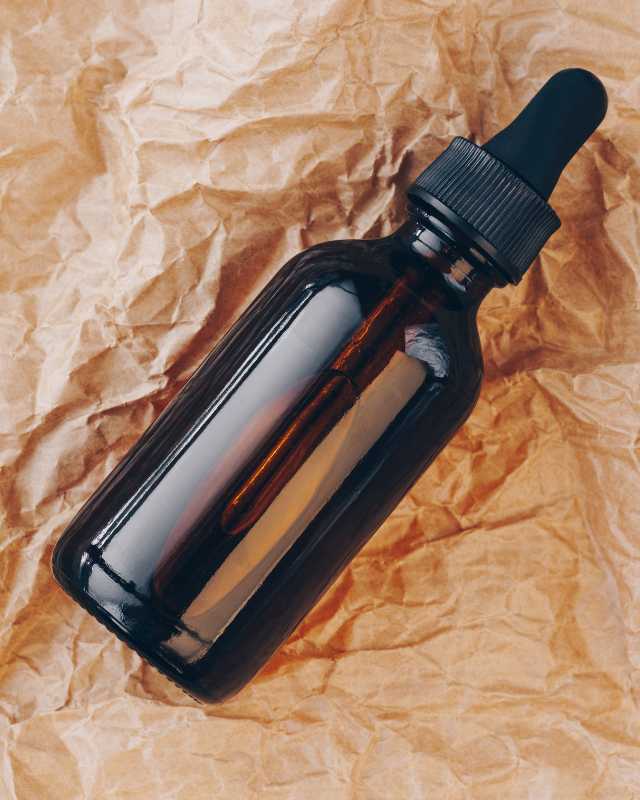
Syringe & Tincture
The most common form, available in syringes with precise measurement markings (typically in ml). Ideal for oral or topical use; syringes are airtight for optimal storage. RSO can also be diluted in alcohol or carrier oil to create tinctures with a sublingual dropper form for easier dosing and faster absorption.
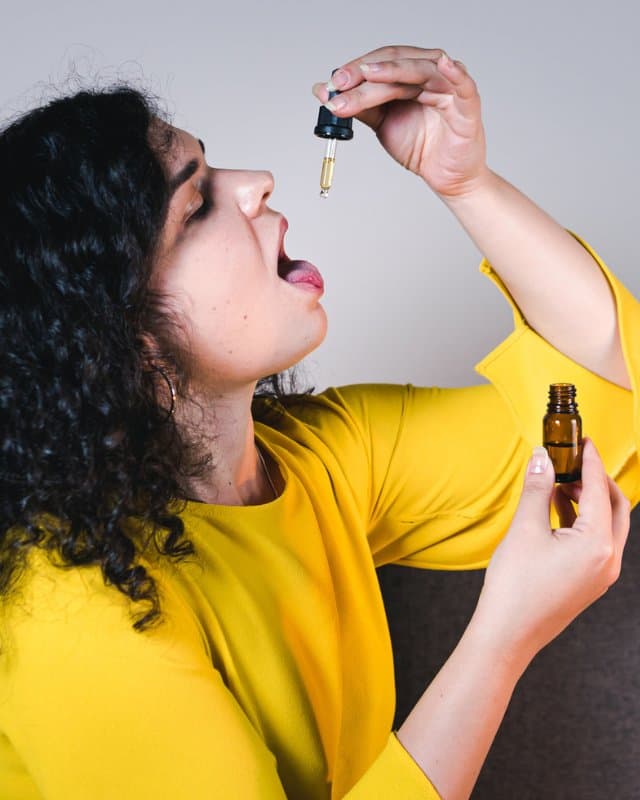
Oral Administration & Sublingual
RSO can be taken sublingually (under the tongue for 60-90 seconds) for faster onset of 15-30 minutes and 4-6 hour duration, or swallowed directly for longer-lasting effects over 4-8+ hours. Many users take RSO with fatty foods like peanut butter or coconut oil to enhance absorption.
Capsules
RSO filled into gel capsules for discreet, tasteless ingestion. Great for consistent dosing without the bitter taste. Capsules have similar onset and duration as oral ingestion (1-2 hours, lasting 6-8+ hours). Ideal for those who want precise dosing and privacy.
Edibles & Food Integration
Mix RSO into foods like butter, chocolate, gummies, or baked goods. Heat gently to avoid degrading THC. Edible effects are long-lasting (6-8+ hours) but have delayed onset (1-2 hours). This method is excellent for sustained relief throughout the day.
Suppositories
RSO infused into glycerin suppositories for rectal or vaginal use. Provides localized administration with direct contact near target areas. Commonly used in medical protocols, especially for prostate cancer. Systemic effects are felt with suppository use, and the close proximity allows for more direct absorption. Onset: 15-45 minutes; Duration: 4-6 hours.
Topical Application
Apply RSO directly to skin for localized effects with no psychoactive high. Works well for pain, inflammation, skin conditions, wounds, and abscesses. RSO is rich in antibacterial, antimicrobial, and antifungal properties. Apply and cover with a bandage for optimal results. Onset: 30-60 minutes.
Making Your Own RSO Tincture (DIY)
RSO in tincture form is often easier to dose and consume. The process is simple and requires just a few items: a glass measuring cup, MCT or olive oil, and a one-ounce amber bottle with a dropper.
- Pour your chosen carrier oil in a measuring cup and warm in the microwave for 30-60 seconds
- Place your RSO syringe in a cup of hot water to make it easier to dispense
- Once oil is warm and viscous, pour it into your amber bottle, filling halfway
- Squeeze the entirety of the RSO syringe into the bottle and allow to sit for one minute
- Fill the rest of your bottle with oil, leaving room for the dropper top
- Allow to sit for 15-30 seconds, then cap with the dropper and shake vigorously for 45 seconds
- Hold up to light to ensure the RSO is completely diluted
Result: One full dropper will amount to 20-25mg THC. This is a heavy dose, especially for beginners. For new patients, half a dropper is recommended.
Legal Status of RSO in 2025
Federally in the U.S., RSO remains illegal under Schedule I due to high THC, but state laws vary significantly. As of December 2025, recreational cannabis is legal in 24 states (e.g., California, Colorado, New York), and medical use in 38, allowing RSO purchases at dispensaries with a card or for adult use.
United States
Legal in 24 recreational states and 38 medical states. Always verify local regulations before purchasing.
Canada
RSO permitted with prescriptions through licensed producers. More accessible than U.S. in many cases.
Europe
Growing acceptance in Germany, Netherlands, Switzerland, Spain, and other countries for medical use. Laws continue to evolve.
Other Regions
Israel, Australia, and parts of South America have varying levels of access. Always research local laws before travel.
Safe Purchasing Guidelines
- • Always opt for lab-tested products with Certificate of Analysis (COA)
- • Use licensed dispensaries only; avoid street purchases
- • Check for pesticides, heavy metals, and mold testing on all products
- • Possession or production in non-legal areas can result in serious penalties
Safety Notes Before You Begin
Safety is non-negotiable with RSO's strength:
Potency and Variability
Effects depend on strain, your tolerance, metabolism, and method—start low to avoid overwhelm. Always begin with minimal doses.
Medical Guidance
Consult a clinician, especially if pregnant, on medications (e.g., blood thinners, antidepressants), or with conditions like heart disease or psychiatric issues. THC can amplify sedatives or interact with chemo drugs.
Quality and Legality
Use lab-tested sources; avoid DIY extraction if inexperienced. No driving or operating machinery while impaired.
General Warnings
Not for pets (toxic); keep away from children. If overconsumed, symptoms like anxiety pass but seek help if severe. Never vape or smoke RSO.
How to Use RSO: Methods & Administration
RSO is versatile and can be used in multiple ways depending on your therapeutic goals, condition, and personal preference. The method you choose affects both the onset time and duration of effects.
Oral Ingestion / Swallowing
ONSET
1-2 hours
DURATION
4-8+ hours
Swallow RSO directly or mix into edibles and capsules. Pair with fatty foods for better absorption and to reduce stomach discomfort.
Sublingual (Under Tongue)
ONSET
15-30 minutes
DURATION
4-6 hours
Hold RSO or tincture under your tongue for 60-90 seconds to allow absorption through the sublingual varices. Good for quick relief without waiting.
Topical Application
ONSET
30-60 minutes
DURATION
4-6 hours (localized)
Apply directly to skin for localized effects with no psychoactive high. Excellent for pain, inflammation, wounds, and skin conditions.
Suppositories
ONSET
15-45 minutes
DURATION
4-6 hours
Insert for systemic effects with direct absorption near the target area. Non-smoking method for serious medical applications.
Practical Administration Tips
- Use syringes for accuracy: Measure carefully with marked syringes; a rice grain is about 0.05-0.1ml
- Start at night: Initial doses should be taken in the evening to assess tolerance safely
- Pair with fatty foods: Cannabinoids are fat-soluble; pair with peanut butter, coconut oil, or avocado for better absorption
- Stay hydrated: Drink water before and after dosing; dehydration can cause headaches and dry mouth
- Never vape or smoke: RSO is too thick for vaporization and contains solvents unsafe for inhalation
- Avoid empty stomach: Taking RSO with food reduces stomach upset and improves absorption
- No machinery operation: Do not drive or operate heavy equipment while figuring out dosing and effects
Beginner Dosing Strategy and Building Tolerance
Start low, go slow. This is the golden rule for RSO. Because RSO is a highly concentrated form of cannabis, a little bit goes a long way. Too much too fast can result in overwhelming psychoactive effects that are uncomfortable. Starting small allows your body to adjust gradually.
Beginner Dosing Schedule
Day 1-3
Half rice grain (2-5mg THC)
Initial tolerance test with minimal psychoactive effects
Day 4-7
Full rice grain (5-10mg THC)
Assess comfort level before increasing further
Week 2+
Gradually increase based on tolerance
Most people settle at 100-300mg per day after several weeks of gradual increases
Factors Affecting Your Dosage
- Body weight and metabolism: Heavier individuals may need slightly more
- Previous cannabis tolerance: Experienced users may progress faster
- Severity of condition: More serious conditions may require higher maintenance doses
- Method of consumption: Oral vs sublingual vs suppository have different absorption rates
- Food intake: Taking RSO with fats improves absorption and consistency
- Individual response: Every person's endocannabinoid system is unique
Managing Side Effects
If effects become too strong, they can be offset with a heavy dose of CBD. We suggest a 1000mg CBD tincture, with a full dropper (20-25mg CBD) being a good place to start.
Common side effects include strong psychoactive effects, drowsiness, dry mouth, dizziness, and increased appetite. These are manageable and typically diminish over 2-4 weeks.
Full 90-Day RSO Treatment Protocol
The 90-day protocol, inspired by Rick Simpson's original regimen for serious conditions, provides a structured approach using 60 grams of RSO over 90 days. This protocol is designed for patients with serious medical diagnoses who are working with healthcare professionals. Important: This protocol is not medically proven and should always be combined with conventional medical care.
Phase 1: Days 1-14
Dosage: Half rice grain nightly
Begin with minimal dosing to assess your body's reaction. This tolerance test helps establish baseline response with minimal psychoactive effects. Most users feel minimal effects at this stage.
Phase 2: Days 15-30
Dosage: Full grain nightly; optional half grain morning
Slowly increase dosage while monitoring effects. You may begin to feel more pronounced therapeutic benefits. Keep a journal to track effects and any symptoms.
Phase 3: Days 31-60
Dosage: Half grain morning, full grain evening
Maintain consistent blood levels with split doses. Monitor consistency and adjust if side effects become uncomfortable. Most therapeutic benefits should be noticeable by end of phase 3.
Phase 4: Days 61-90
Dosage: 1-2 grains daily, split doses
Maintain therapeutic dose while working with your healthcare provider. Determine if protocol should continue, adjust, or stop based on your condition's progress.
Important Protocol Notes
- Adjust for side effects: If experiencing discomfort, maintain current dose longer before increasing
- Journal everything: Track dosage, time, effects, side effects, and symptoms daily
- Not medically proven: Combine RSO with conventional medical care; do not replace proven treatments
- Healthcare consultation required: Always work with a physician before starting
- Individual variation: Some patients never reach full 1g/day and find relief at lower amounts
- Bulk pricing available: The 60g for 90 days protocol qualifies for significant bulk discounts
What If You Take Too Much RSO?
If you overconsume RSO, it's important to stay calm—a THC overdose is not fatal. Symptoms may include intense anxiety, paranoia, rapid heartbeat, nausea, or extreme drowsiness.
Steps to Take if You've Consumed Too Much
- Find a safe, comfortable place to rest immediately
- Drink plenty of water to stay hydrated
- Eat light snacks, preferably with some carbohydrates
- Try CBD if available—it can counteract THC effects (start with 20-25mg)
- Rest; symptoms typically resolve within 4-8 hours
- Seek medical help if symptoms are severe or persistent
Most Common Side Effects
Effects, Benefits & Conditions RSO May Help
Positive Effects Reported
- ✓Deep relaxation and stress relief
- ✓Pain relief and anti-inflammation
- ✓Appetite boost and nausea reduction
- ✓Improved sleep quality
- ✓Muscle relaxation
- ✓Mood elevation
- ✓Neurological protection (theoretically)
Potential Side Effects
- ✗Psychoactive high (strong)
- ✗Paranoia or anxiety at high doses
- ✗Dizziness and disorientation
- ✗Dry mouth and red eyes
- ✗Increased heart rate
- ✗Drowsiness and fatigue
- ✗Short-term memory effects
Conditions People Use RSO For (Anecdotally)
Important: Lab studies suggest anti-tumor properties, but human evidence is inconclusive — RSO is not a proven cure. As of 2025, it's valued primarily for palliative care and symptom management alongside conventional treatments. Always consult with your healthcare provider about any condition you're treating.
Storage, Quality, and Safety Standards
Proper Storage Guidelines
Container
Store in airtight syringes or capsules
Environment
Keep in cool, dark places away from light
Temperature
Refrigerator okay; warm before use for easier dispensing
Labeling
Mark with potency percentage and purchase date
Shelf Life
Lasts 1-2 years when stored properly
Quality Indicators & Red Flags
Good Quality Signs
- ✓Dark brown to black color (natural)
- ✓Lab testing with Certificate of Analysis
- ✓Thick, tar-like consistency
- ✓Fresh cannabis smell
- ✓Clear labeling with potency
Bad Quality Signs
- ✗Visible mold or discoloration
- ✗Off-smells or chemical odors
- ✗Unusual separation or crystallization
- ✗No lab testing available
- ✗From unlicensed sources
Products to Avoid
- Untested products: Never buy RSO without Certificate of Analysis showing cannabinoid and contaminant testing
- From unlicensed sources: Avoid street products; quality and safety are unverified
- Moldy or separated: Discard immediately if mold, off-smells, or unusual liquid separation appears
- Expired or old: Check dates; RSO degrades over time, particularly if exposed to light
RSO Pricing and Where to Buy
Typical RSO Pricing (2025)
Per Gram
$30-60
Medical or recreational dispensaries
60g (90-Day Protocol)
$1,200-2,400
20-40% bulk discount typical
1g Syringe (Most Common)
$40-80
Standard retail format
Where to Purchase RSO
- Licensed dispensaries: Only legal source; verify lab testing (COA) before purchase
- Online delivery: Many states allow licensed dispensaries to deliver; always verify legality in your area
- AVOID: Street purchases, untested products, and unlicensed sources
Frequently Asked Questions About RSO
What is the recommended starting dose for RSO beginners?
Start with about half the size of a rice grain (2-5mg THC) once daily at night. This helps assess tolerance without overwhelming effects. After 3-4 days, if comfortable, increase to a full rice grain. Always start low and go slow, increasing gradually over weeks.
Can I take RSO on an empty stomach?
While you technically can, it's better to take RSO with food—especially fatty foods like peanut butter, coconut oil, or avocado. Cannabinoids are fat-soluble, so eating fats improves absorption and consistency. It also reduces stomach discomfort.
Will RSO make me feel 'high'?
Yes, RSO is highly psychoactive due to its high THC content (50-90%). Even small doses can produce noticeable effects. The intensity depends on your dose, tolerance, and method of consumption. Using suppositories can minimize psychoactive effects while providing therapeutic benefits.
Can RSO interact with my medications?
Yes, RSO can interact with many medications. THC can amplify effects of sedatives, blood thinners, antidepressants, and some chemotherapy drugs. It may affect medications metabolized by the liver's CYP450 enzyme system. Always consult your doctor before using RSO.
How long does RSO take to work?
Effects timing depends on method: Oral takes 1-2 hours with 6-8+ hour duration. Sublingual takes 15-30 minutes with 4-6 hour duration. Topical works locally within 30-60 minutes. Suppositories take 15-45 minutes with 4-6 hour duration.
Is it safe to travel with RSO?
Traveling with RSO is risky and often illegal. Within legal states, you can typically transport it in your vehicle following state regulations. Never fly with RSO or cross state lines—federal law prohibits cannabis transport. International travel with RSO is illegal.
Does RSO cure cancer?
No scientific evidence supports RSO as a cancer cure. While Rick Simpson's anecdotal reports and some preclinical studies show cannabinoids may have anti-tumor properties, there are no conclusive human clinical trials proving RSO cures cancer. RSO should never replace conventional cancer treatment but may help manage symptoms.
What's the difference between RSO and FECO?
RSO and FECO are very similar full-spectrum extracts, but FECO is often considered 'cleaner' because it uses food-grade ethanol instead of harsher solvents. FECO may retain more terpenes and flavonoids, potentially offering better entourage effect. Many medical professionals now recommend FECO over traditional RSO in 2025.
Can I make RSO at home?
In legal states, adults can typically make RSO at home for personal use, but laws vary. However, home production involves dangerous solvents (like naphtha or isopropyl alcohol) that are highly flammable and require proper ventilation. Many states require manufacturing licenses. For safety and legal compliance, purchasing from licensed dispensaries is recommended.
Is RSO safe for pets?
No, absolutely not. THC is toxic to pets, especially dogs and cats. RSO's high THC concentration can cause serious adverse reactions including vomiting, loss of coordination, seizures, and in severe cases, coma. If your pet consumes RSO accidentally, contact a veterinarian immediately.
Putting It All Together: Final Thoughts
Rick Simpson Oil represents a powerful approach to cannabis medicine, offering high concentrations of cannabinoids for those seeking relief from serious conditions. While Rick Simpson's story has inspired thousands globally, it's crucial to approach RSO with realistic expectations, medical guidance, and respect for its potency.
Whether you're exploring RSO for chronic pain, cancer symptom management, neurological conditions, or other serious health concerns, always start low, go slow, and work with healthcare professionals. The 90-day protocol provides a structured approach for serious conditions, but individual needs vary greatly based on body weight, metabolism, condition severity, and personal response.
The Entourage Effect—the synergistic action of multiple cannabis compounds—is one of the most compelling reasons to choose full-spectrum extracts like RSO over isolated cannabinoids. This whole-plant approach preserves the complex chemistry that makes cannabis medicine potentially more effective than individual components.
As cannabis legalization expands and research continues, we're learning more about RSO's potential and limitations. In 2025, many medical professionals now recommend FECO as a cleaner, more refined alternative, but RSO remains a popular choice for those seeking the original formula that inspired the movement.
Remember: RSO is not a magic cure. It's a tool—one that many people find helpful for managing difficult symptoms and improving quality of life when used responsibly alongside conventional medical care.